🐶 Dog Breed Guides
Every breed eats differently
A Lab and a Frenchie at the same weight shouldn't eat the same. Pick your breed for honest, breed-specific feeding notes — then get a precise plan.
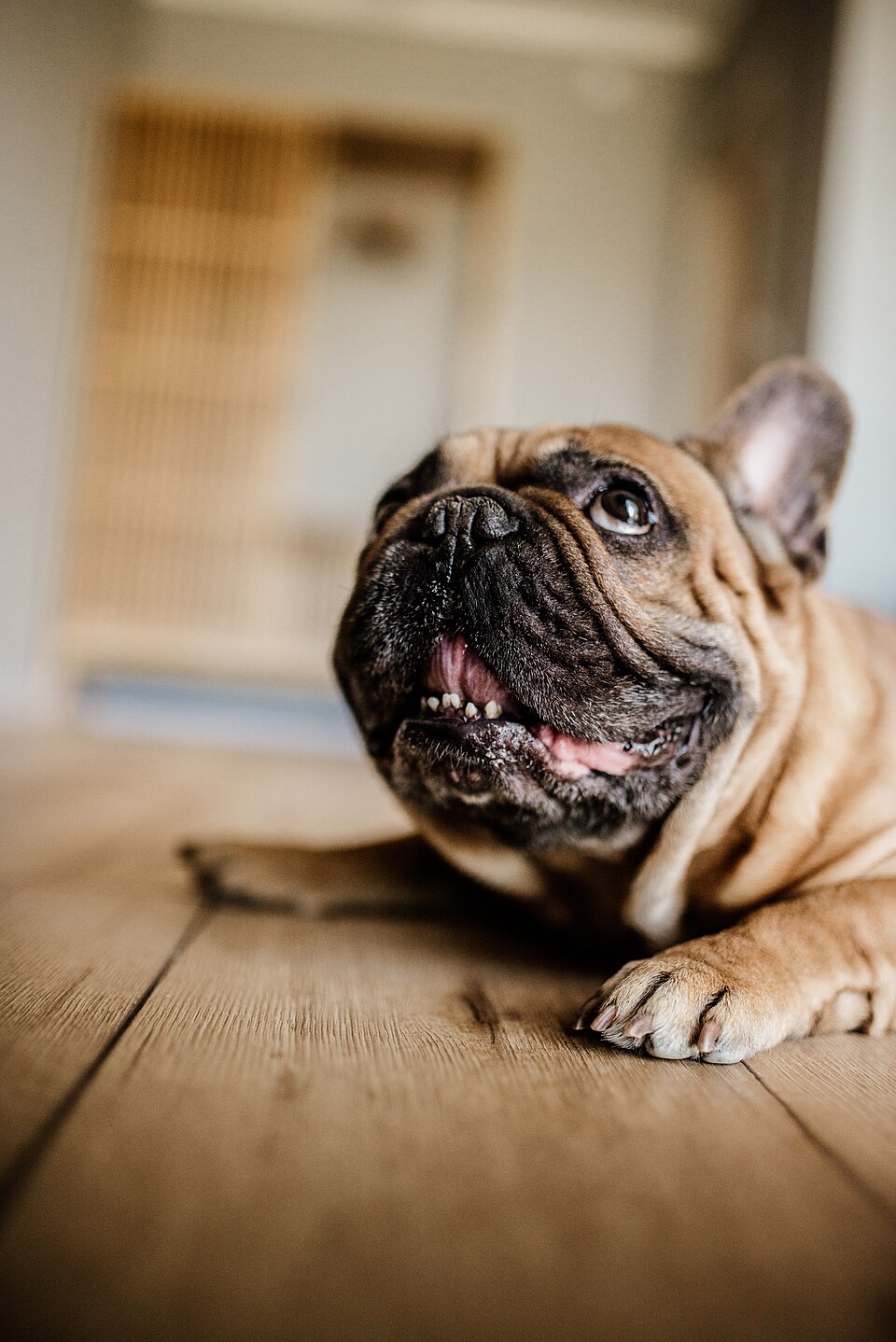
French Bulldog
Every extra kilo works overtime on their breathing.
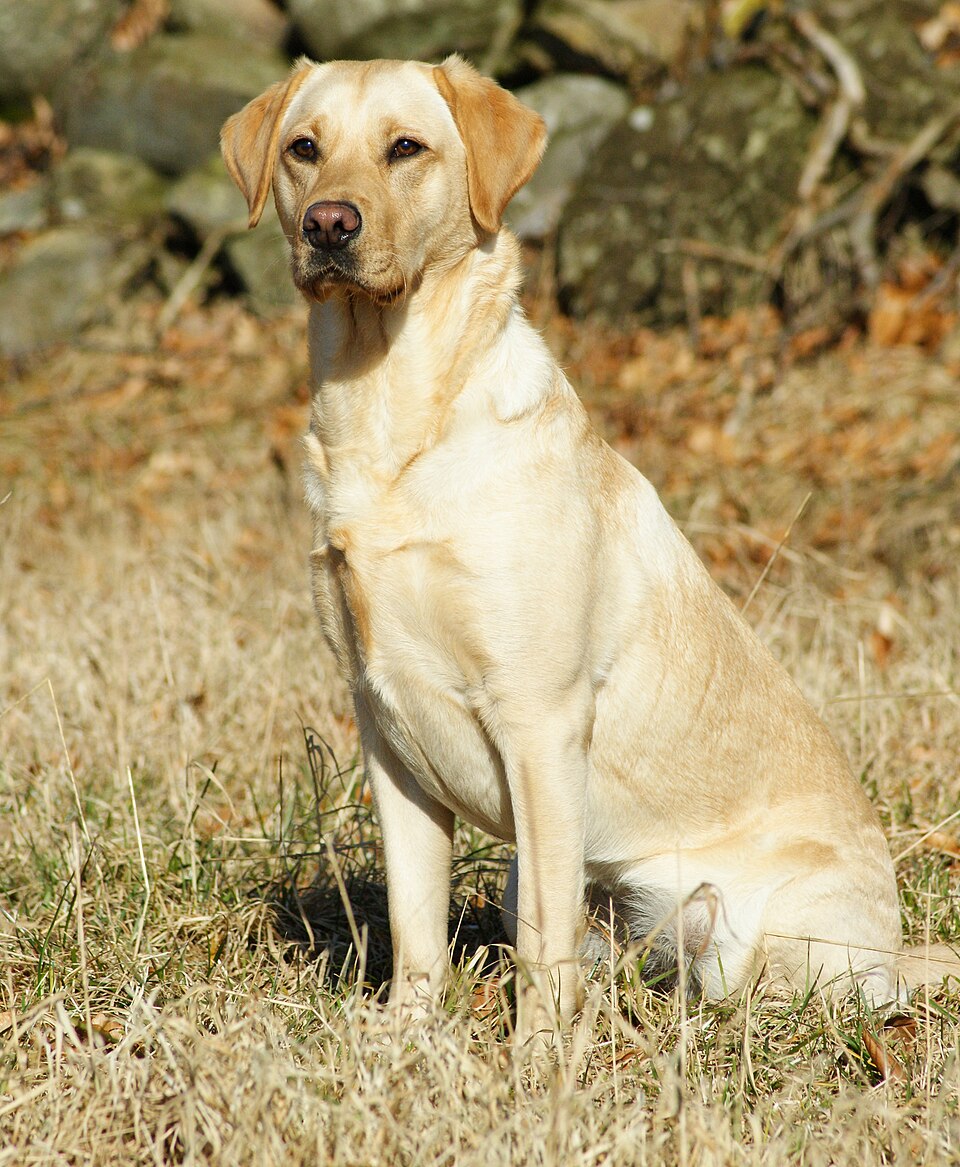
Labrador Retriever
America's favorite — and a famously hungry one.
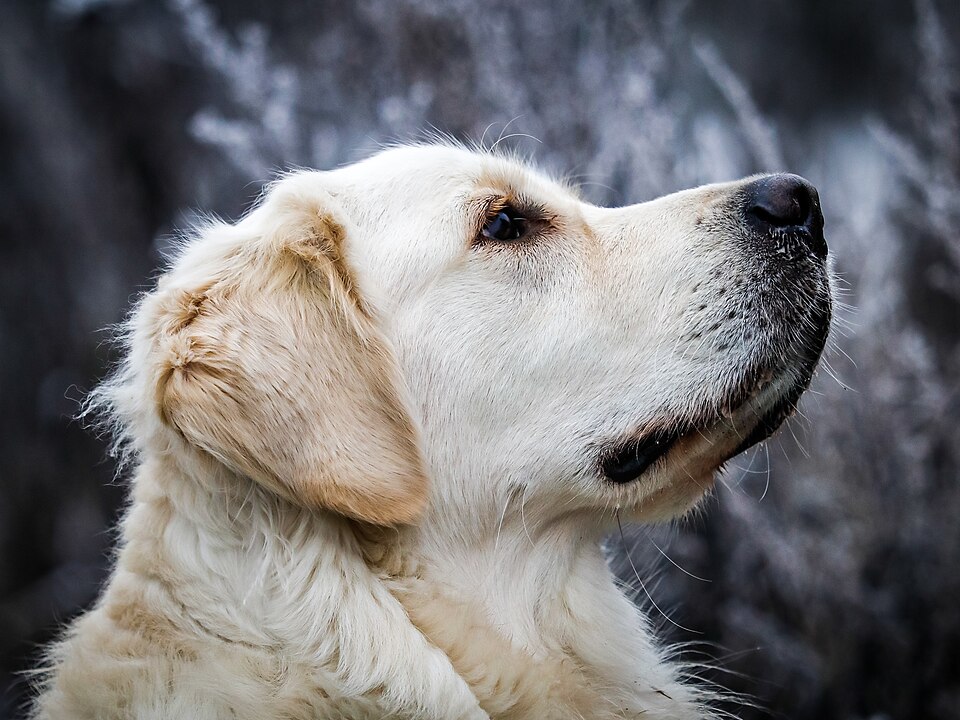
Golden Retriever
The family sweetheart who never says no to food.
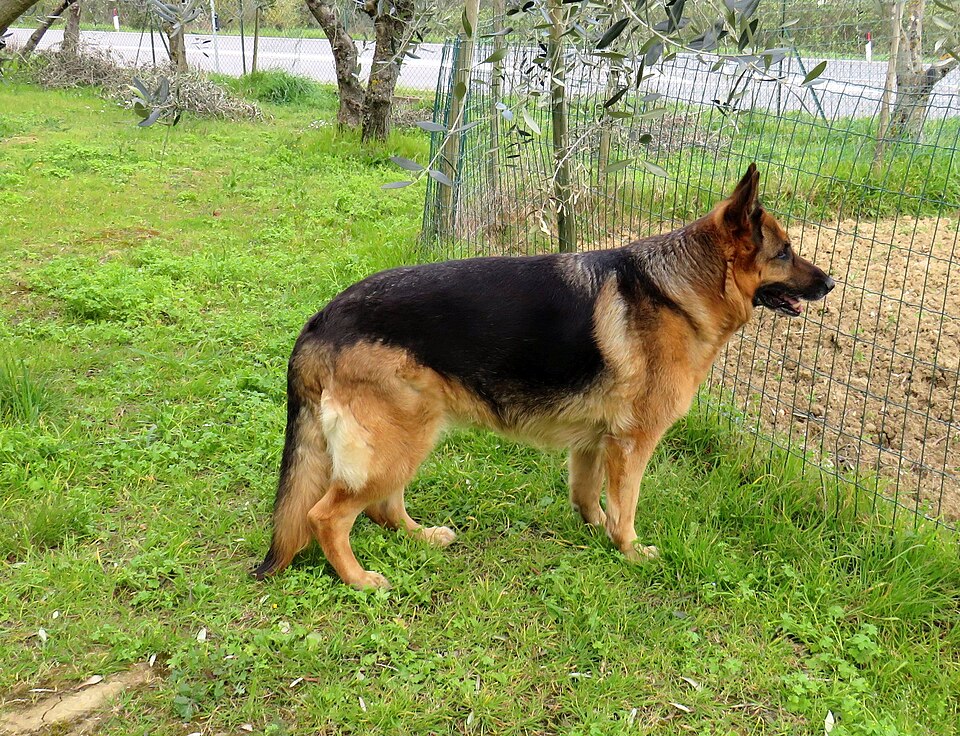
German Shepherd
The loyal athlete with a deep chest and a strict feeding rule.
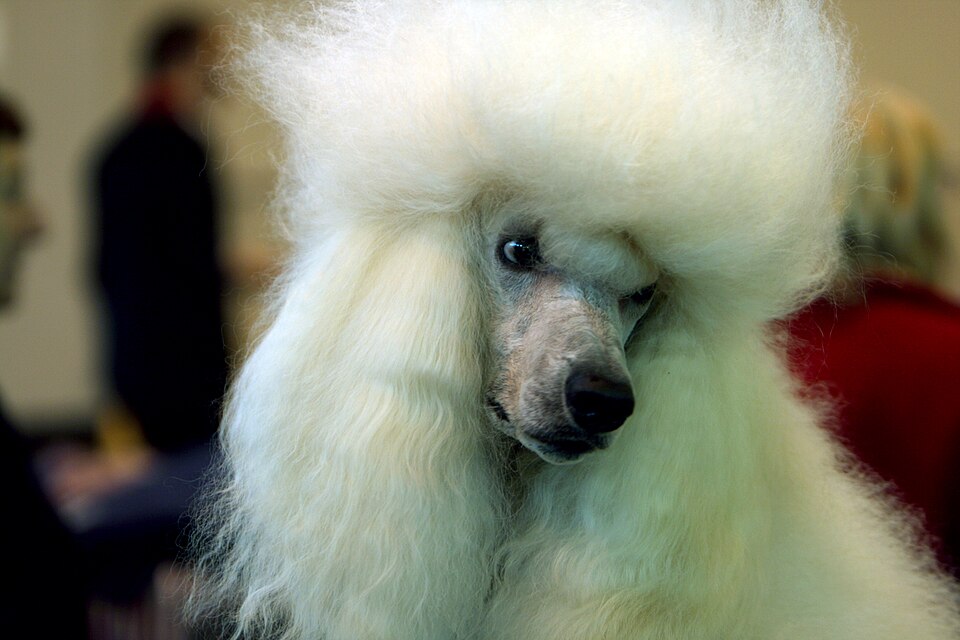
Poodle (Toy, Mini & Standard)
Smart, proud, and much tougher on the scale than they look.
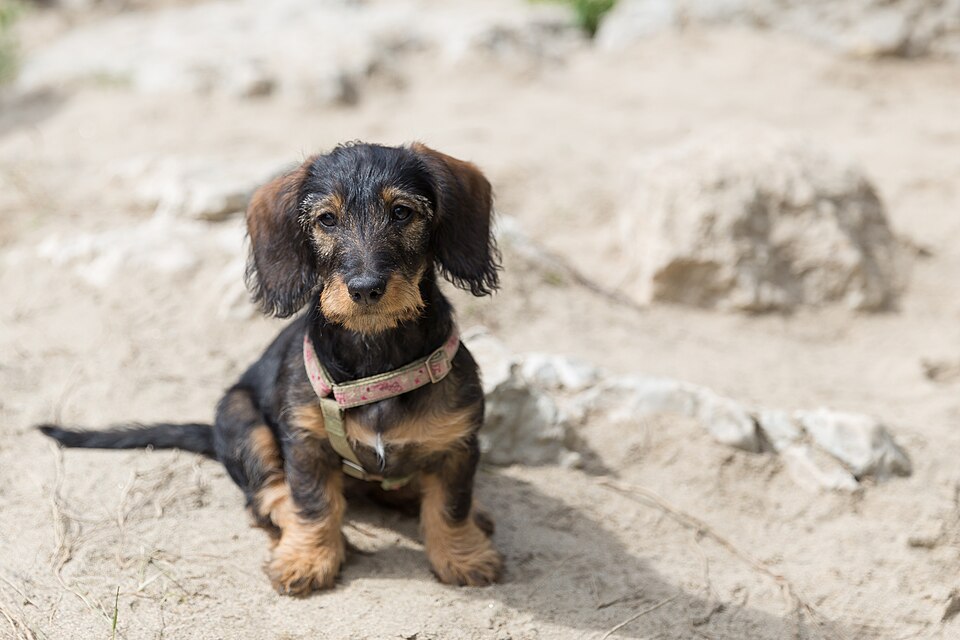
Dachshund
The longest spine in dogdom — weight is its worst enemy.
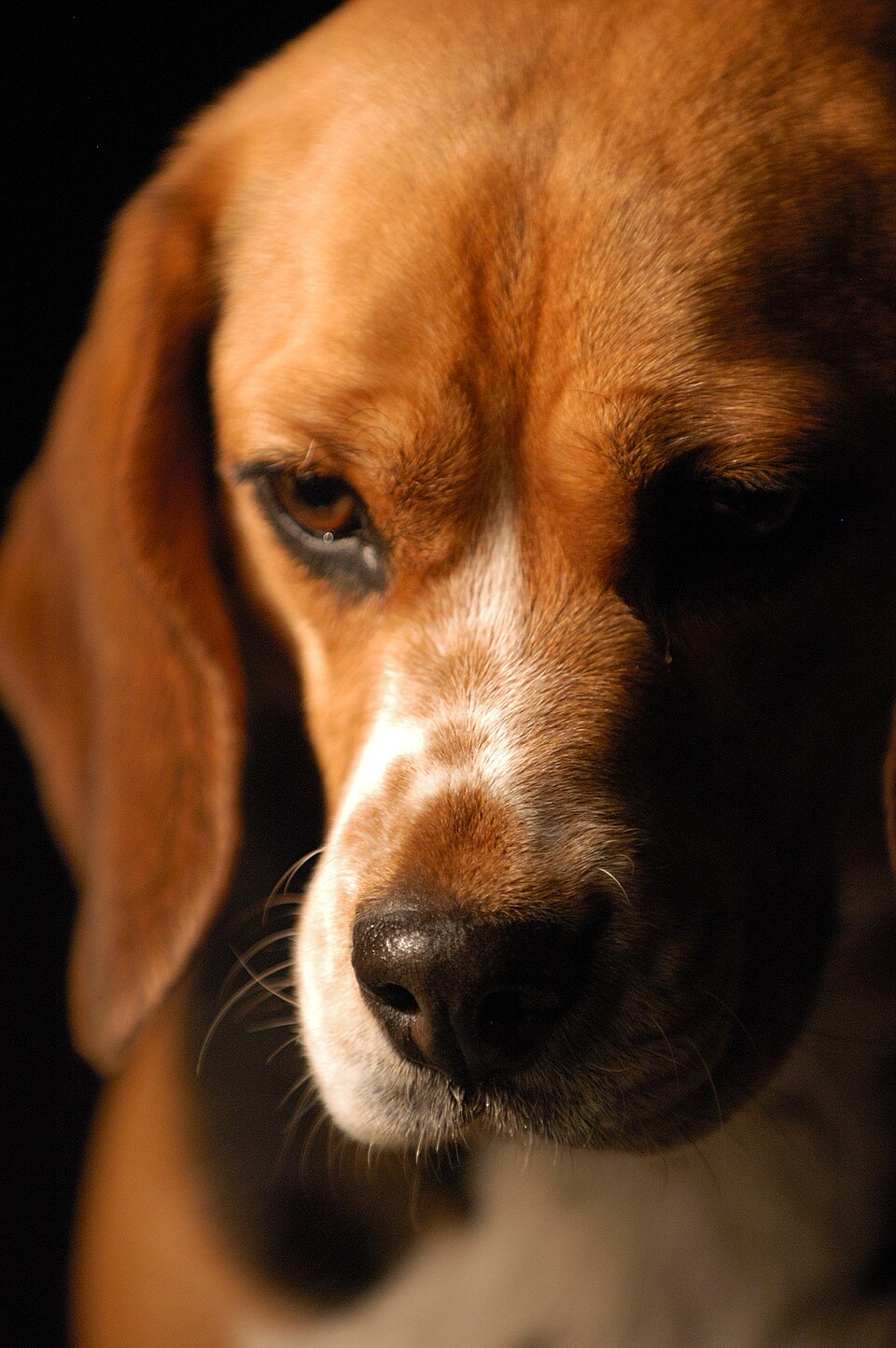
Beagle
A nose that finds every crumb — including the ones you didn't drop.
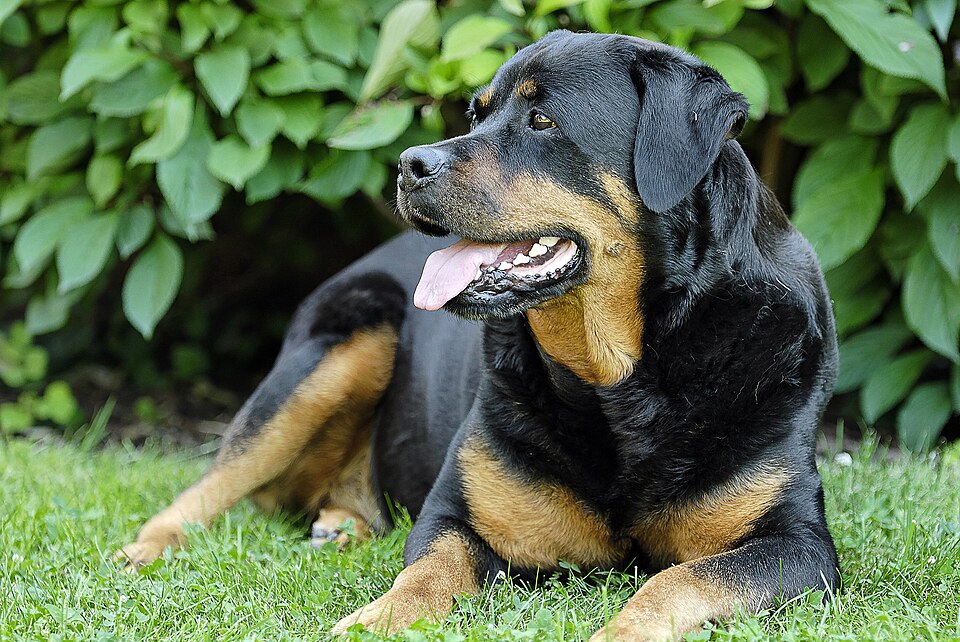
Rottweiler
A powerful giant that needs slow-growing food, not fast growth.
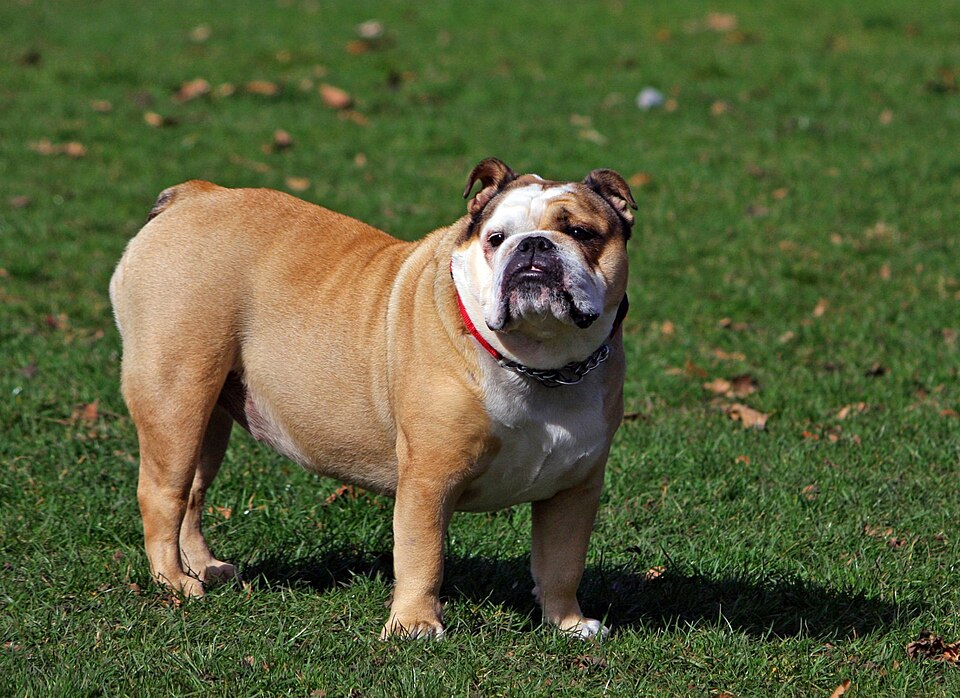
English Bulldog
The couch legend whose breathing bill rises with every gram.
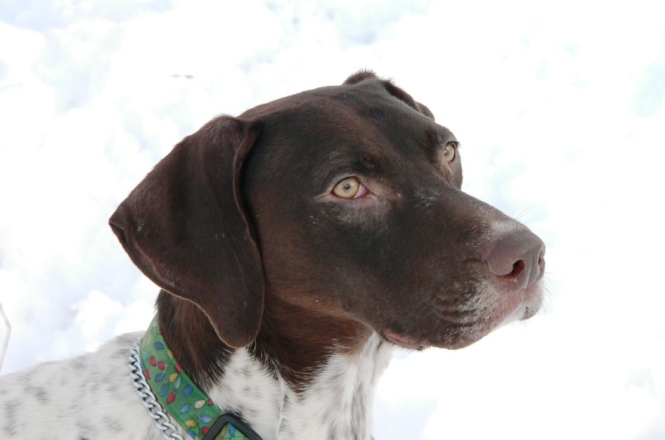
German Shorthaired Pointer
A perpetual-motion athlete with a furnace for a metabolism.
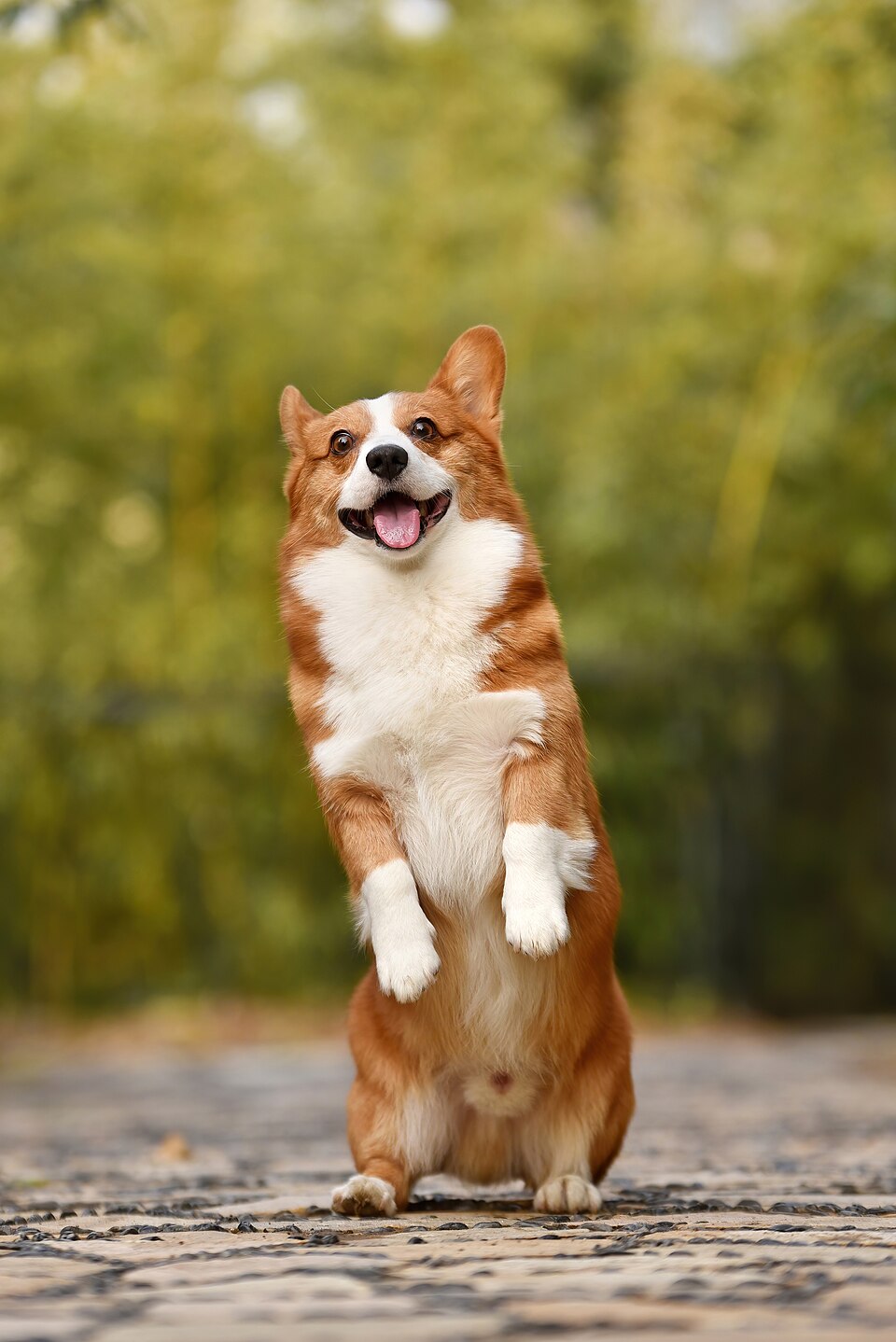
Pembroke Welsh Corgi
Short legs, long back — weight is a spine-protection issue.
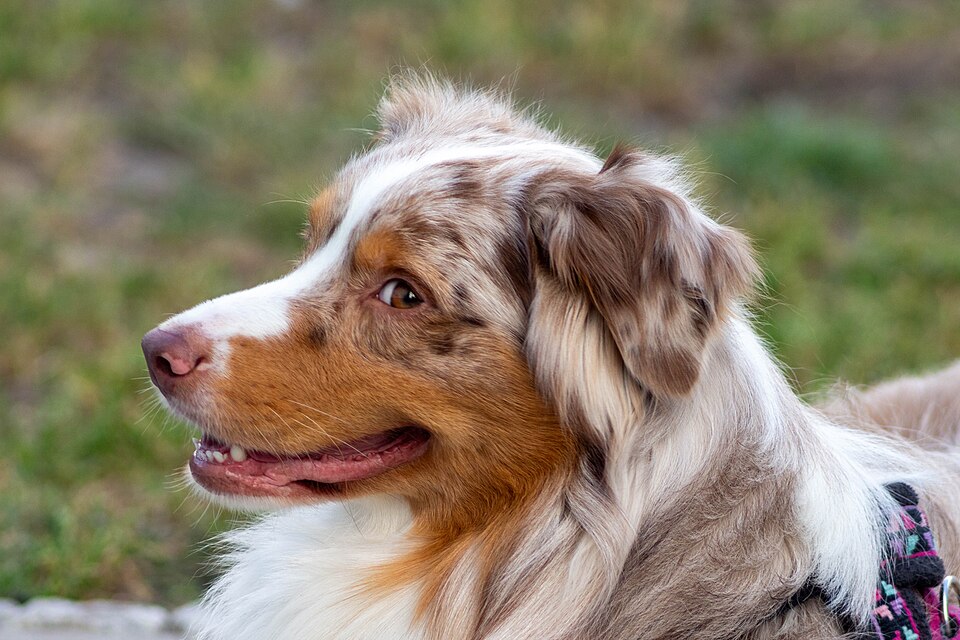
Australian Shepherd
A herding brain in an athlete's body — feed it like one.
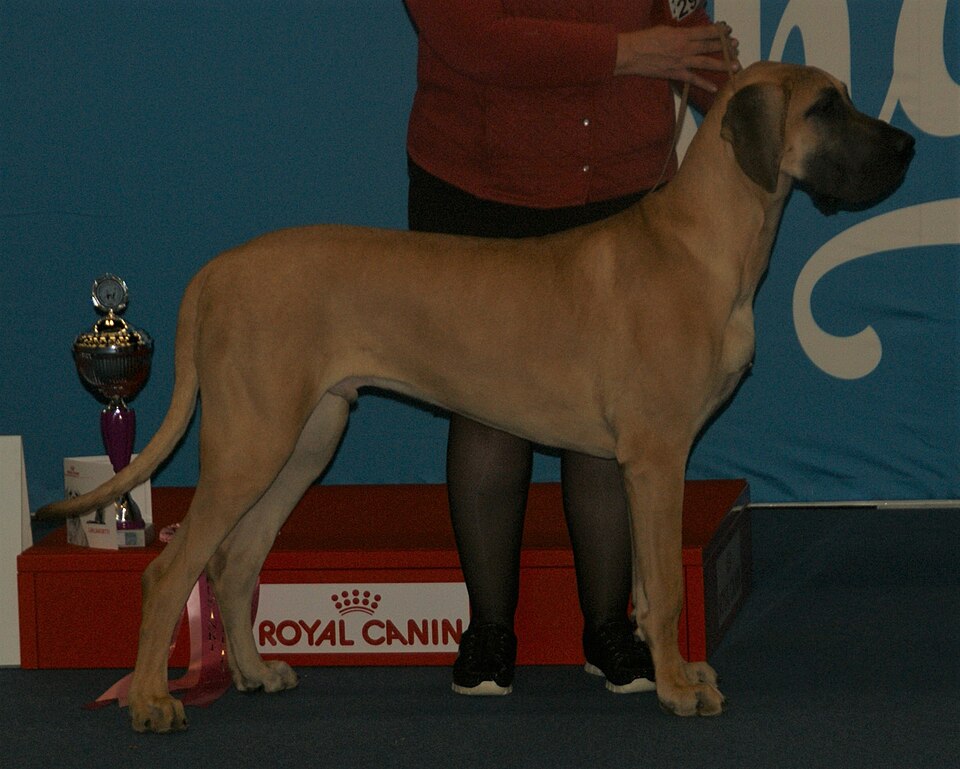
Great Dane
The gentle giant with the strictest growth rules of all.
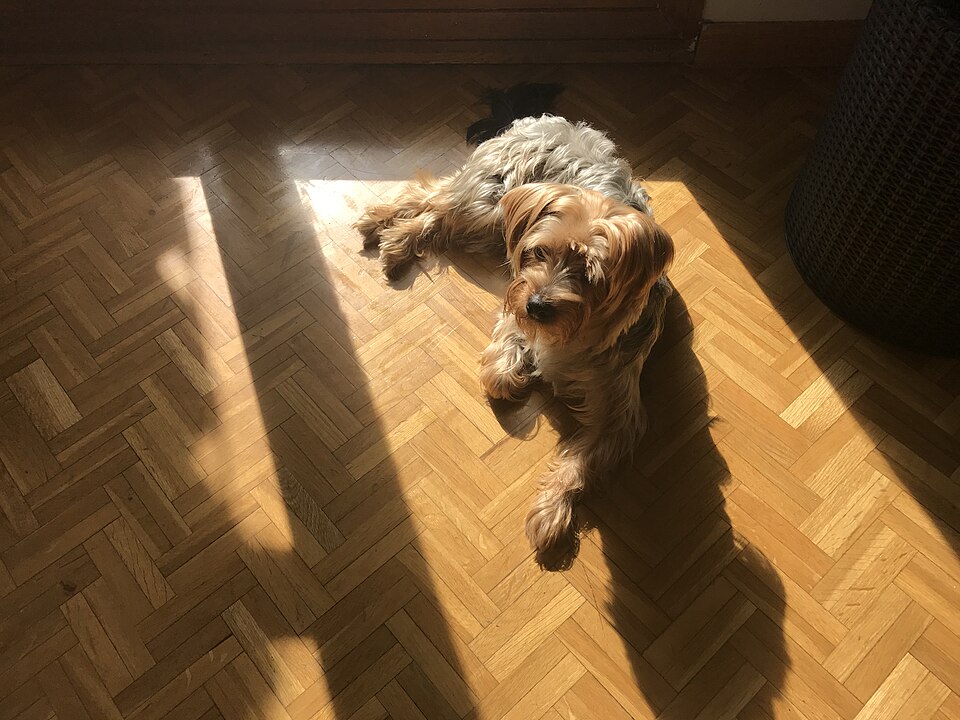
Yorkshire Terrier
Tiny body, tiny stomach, big opinions about dinner.
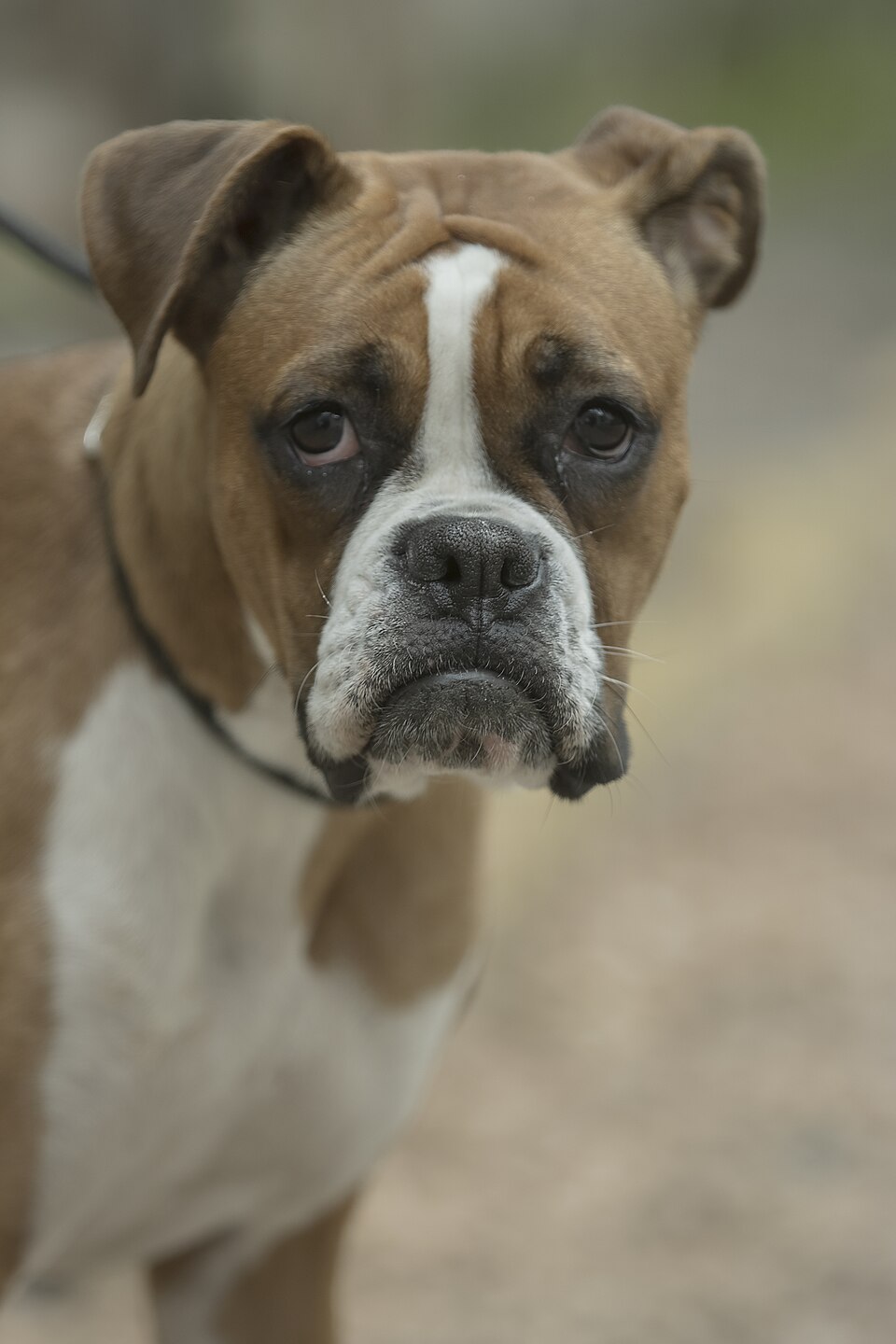
Boxer
The eternal puppy with an athlete's appetite.
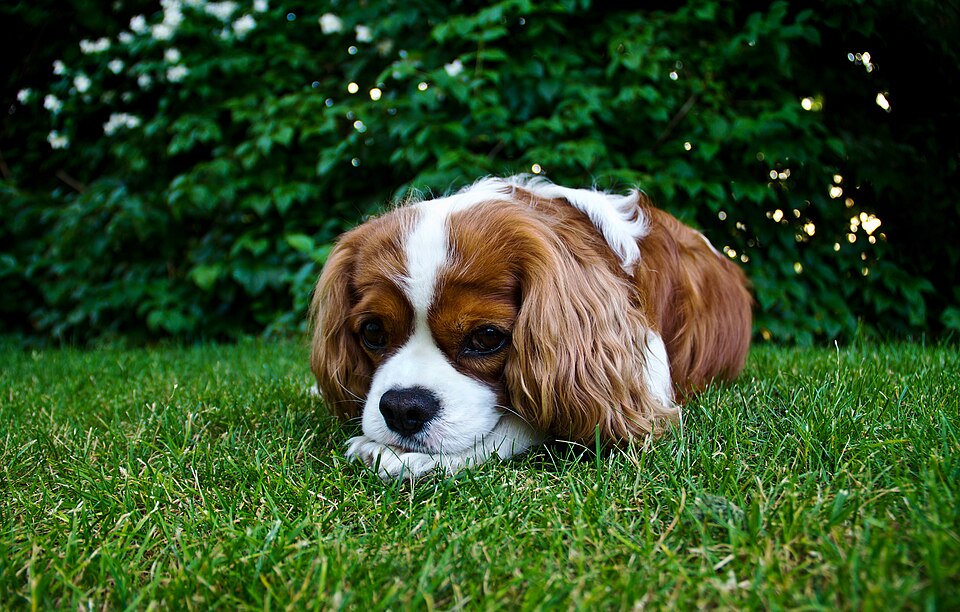
Cavalier King Charles Spaniel
A spaniel heart — and, famously, an appetite to match.
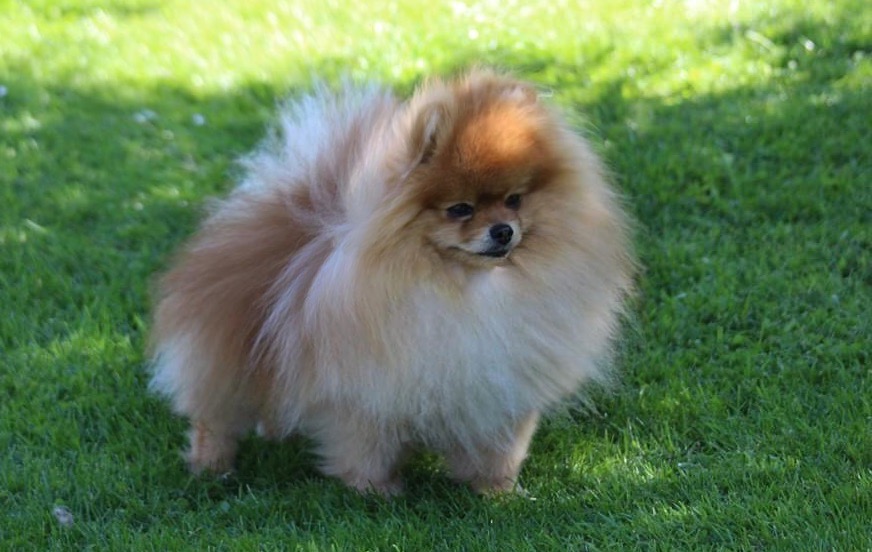
Pomeranian
Three kilograms of fluff, attitude, and opinions about food.
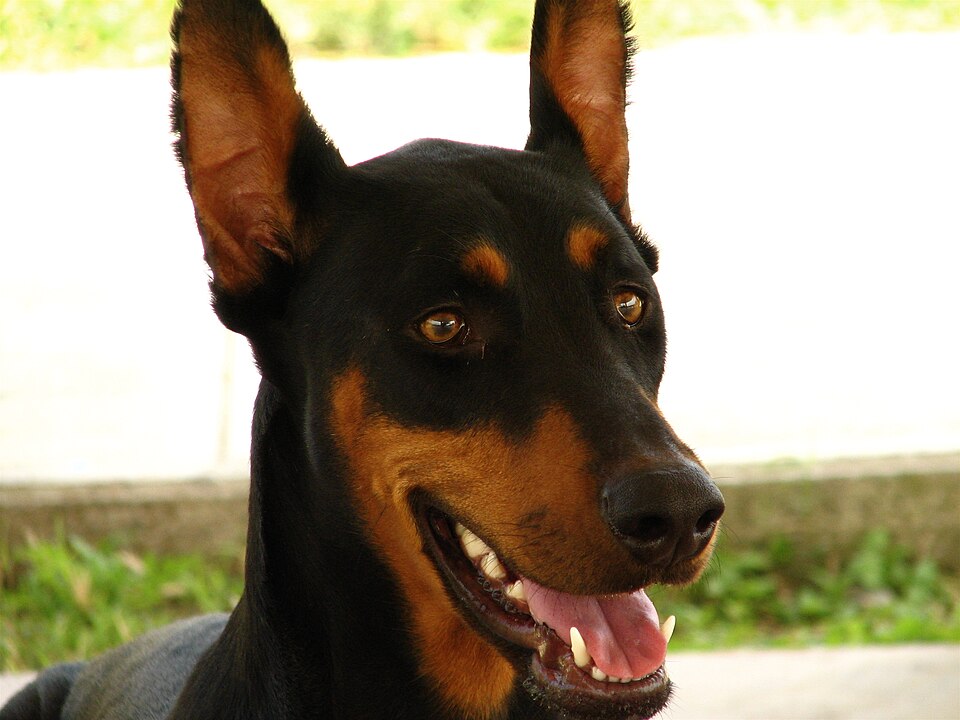
Doberman Pinscher
The aristocratic athlete — lean, deep-chested, and hungry.
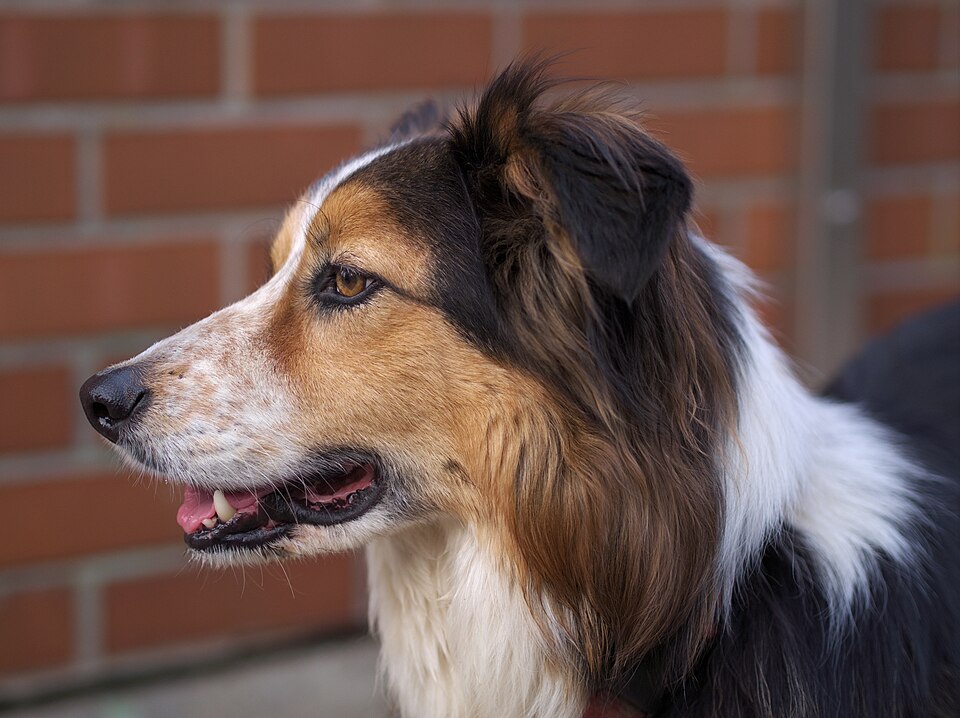
Border Collie
The smartest dog in the room burns fuel like it shows.
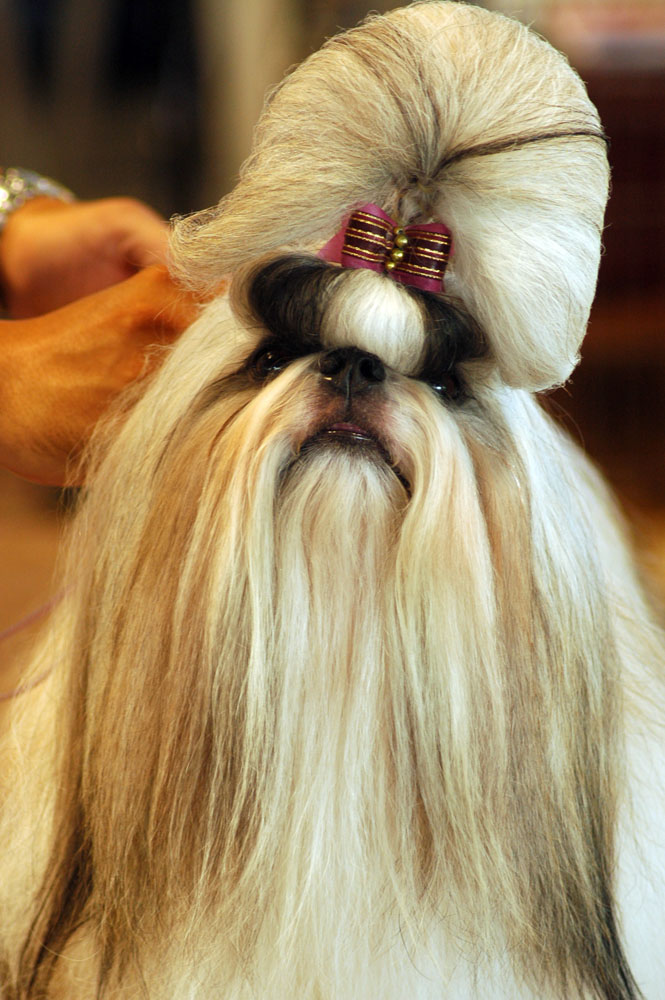
Shih Tzu
A lap-dog lifestyle with a face made for shallow bowls.
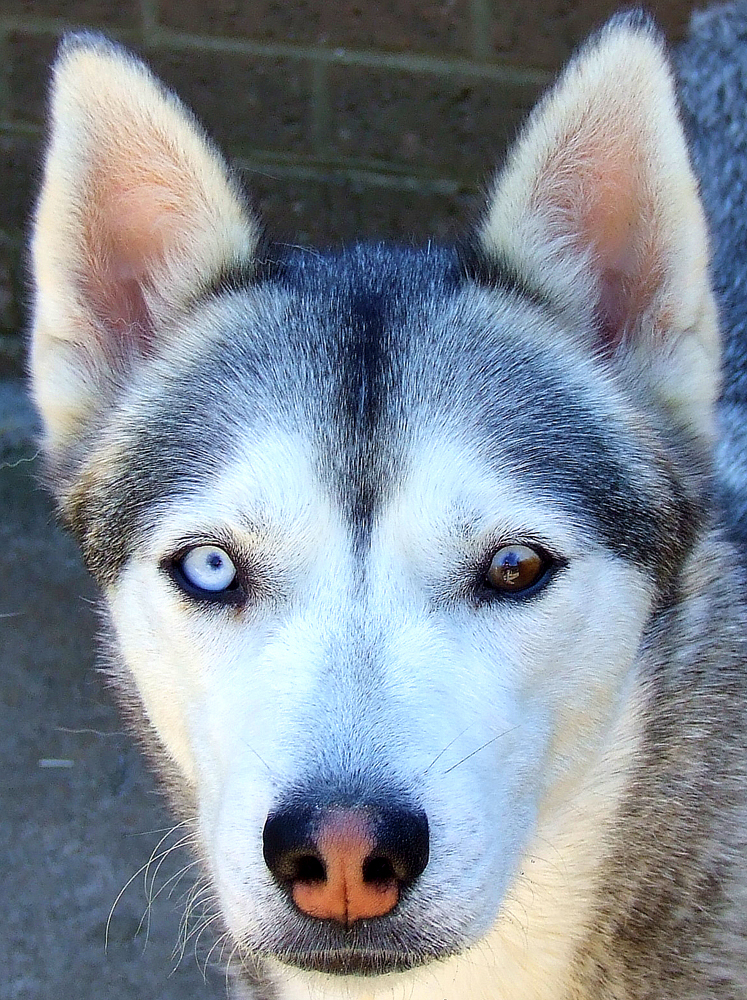
Siberian Husky
The breed that famously refuses to eat like the chart says.
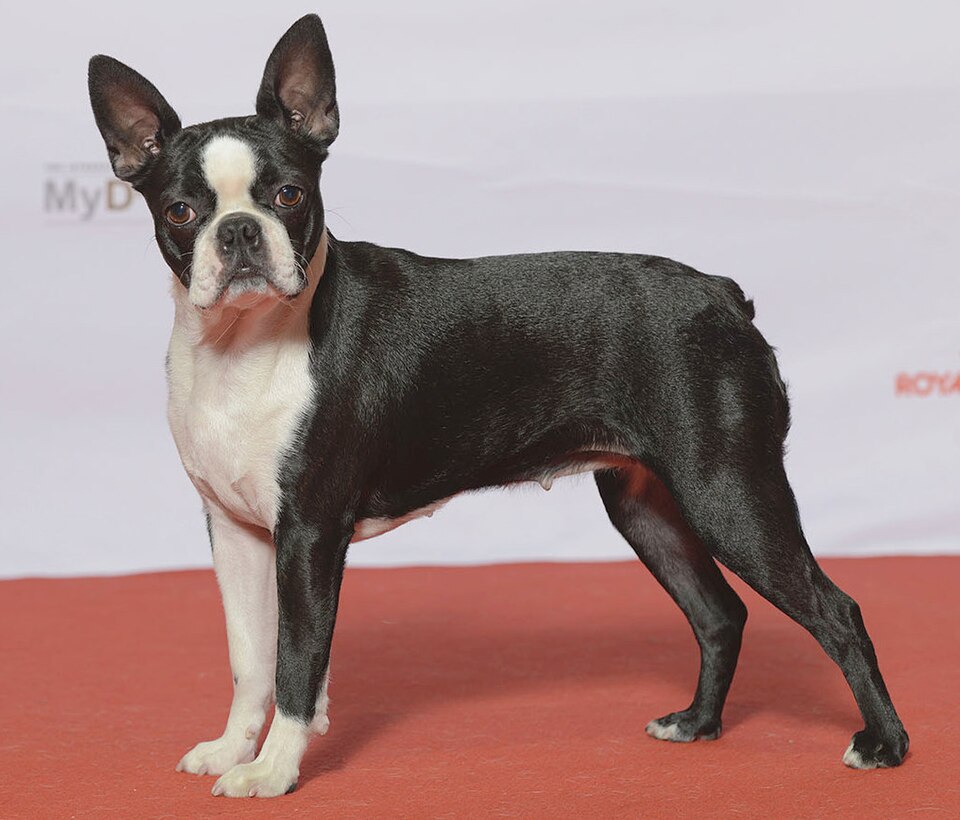
Boston Terrier
The dapper little gentleman with a gassy reputation.
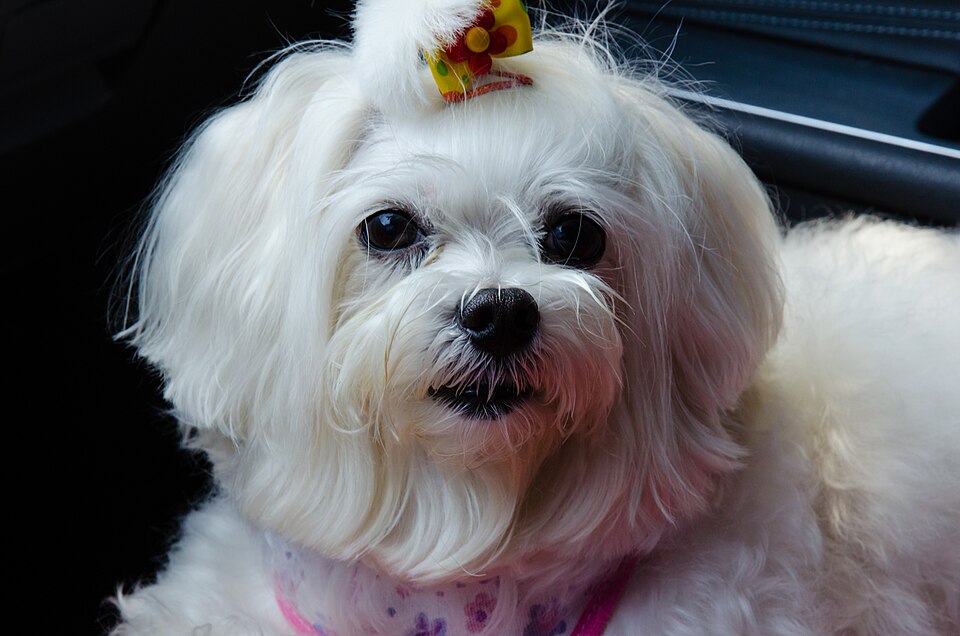
Maltese
A pocket-sized companion with pocket-sized calories.

Havanese
The velcro clown who'd happily train all day — for food.
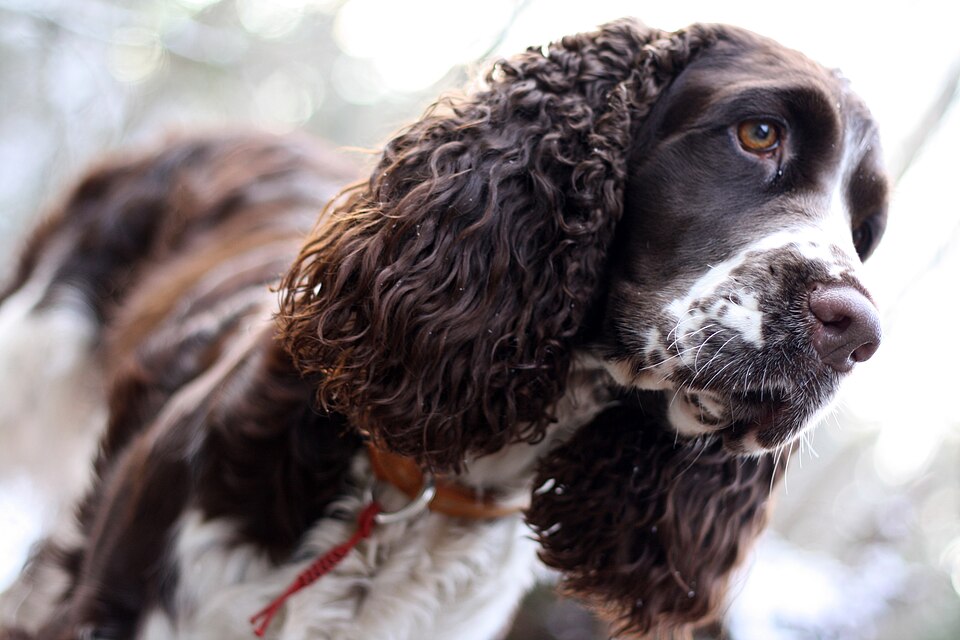
English Springer Spaniel
A field athlete with a food obsession and no off-switch.
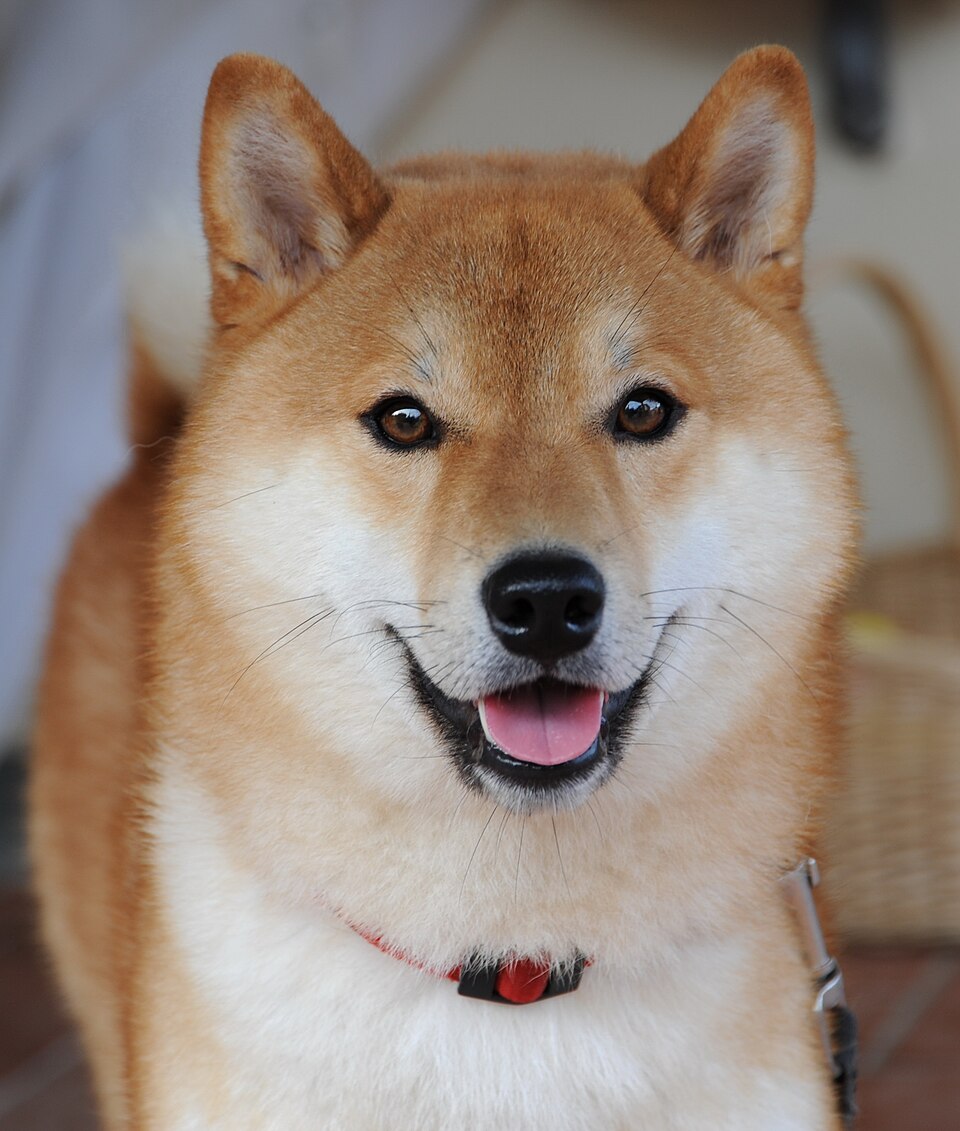
Shiba Inu
The dramatic fox-dog — naturally lean, professionally food-thieving.
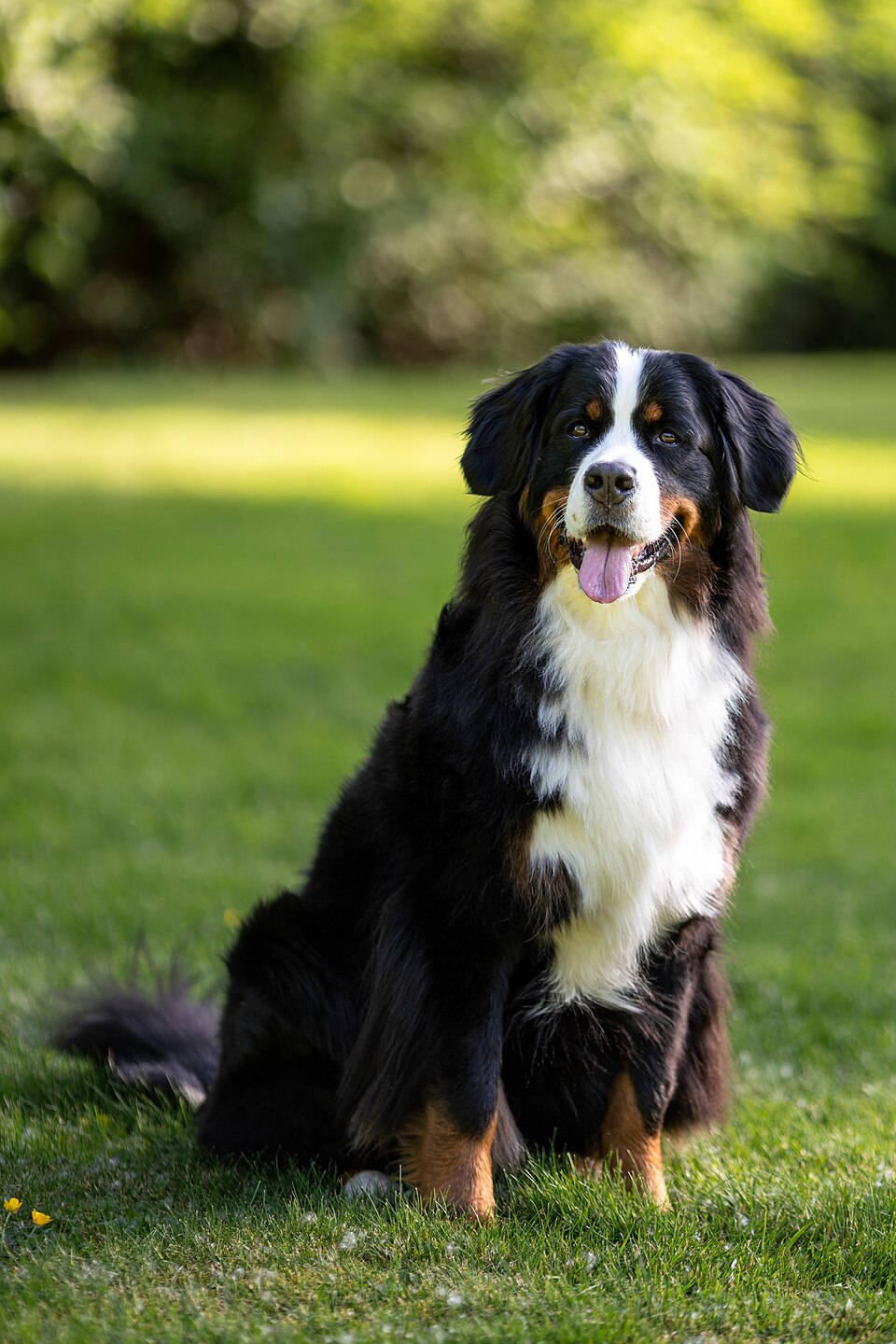
Bernese Mountain Dog
The gentle farmhand that grows best when growth is slow.
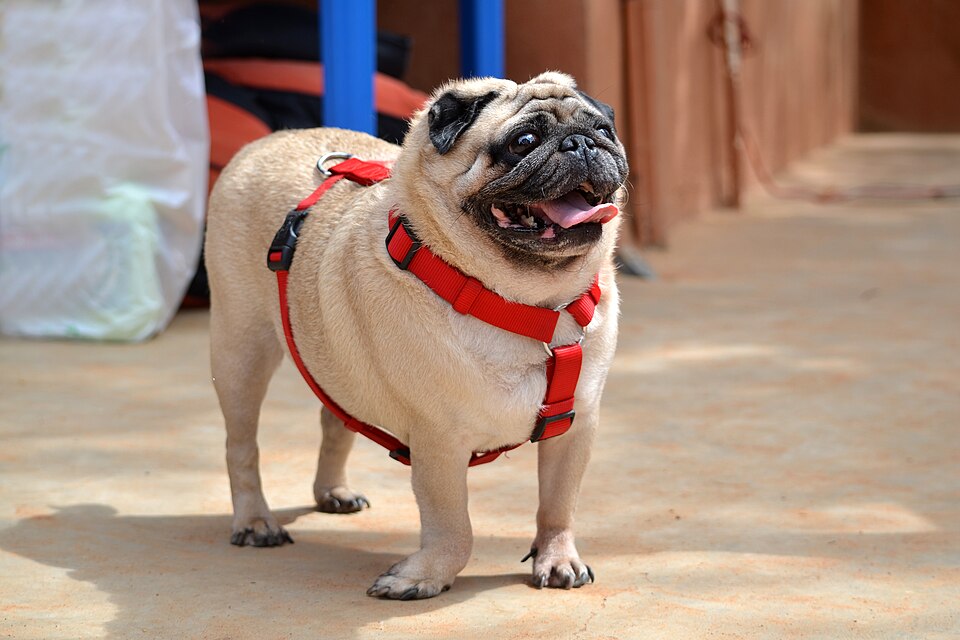
Pug
Every gram shows on a Pug — and every gram costs breath.
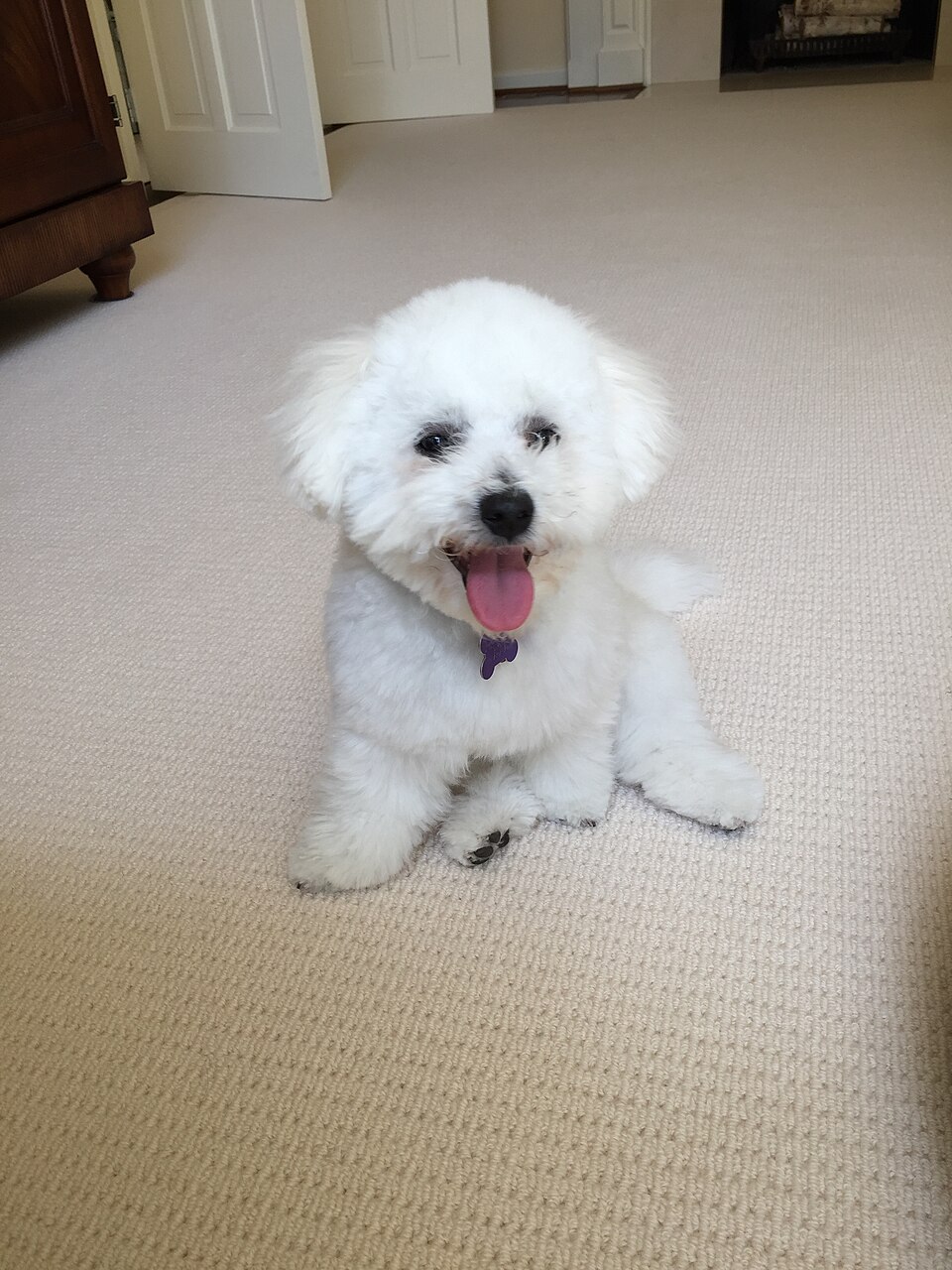
Bichon Frise
A cotton ball with a bounce — and hidden weight underneath.
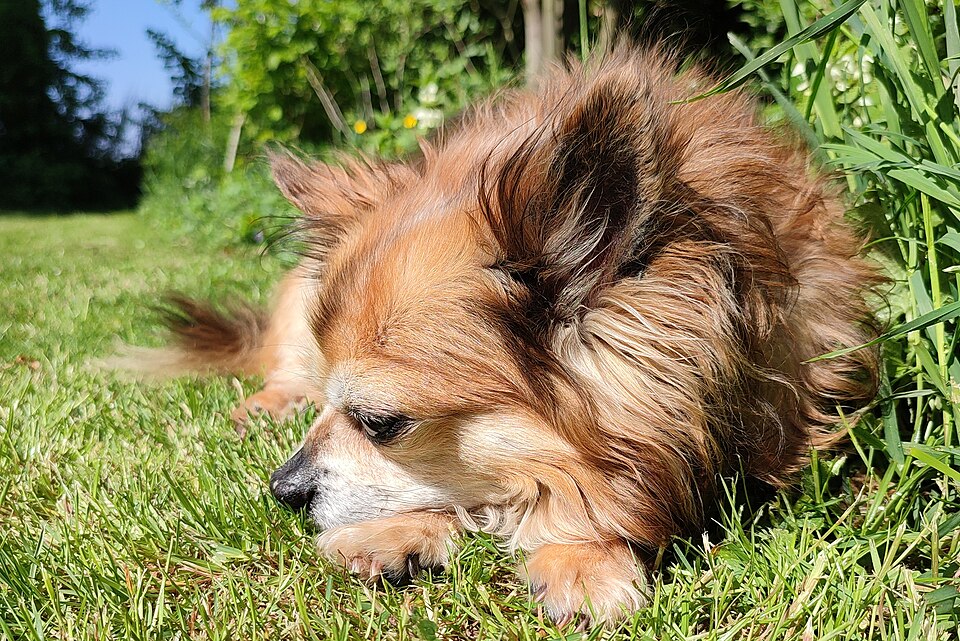
Chihuahua
The smallest dog with the smallest margin for feeding error.
Mixed breed or not listed?
No problem — the calculator works by body weight, not breed. Go straight to the Dog Plan →